
Sea Moss for Gut Health: How It Supports Digestion and the Microbiome
Sea moss helps with gut health and digestion by supplying non-digestible prebiotic fibres and soothing plant mucilage. Its complex carbohydrates bypass early digestion to nourish beneficial gut bacteria, while its natural gel consistency coats the gastrointestinal lining to ease irritation. Using sea moss for gut health supports bowel regularity and microbiome diversity, though it works as a complementary food rather than a standalone medical cure.
The digestive tract processes everything you consume, extracting nutrients while acting as an immune barrier. When low-fibre diets or daily stressors disrupt this system, the consequences appear quickly as sluggish digestion, irregular transit times, and persistent discomfort. Many people turn to harsh laxatives or synthetic supplements that create dependency rather than lasting digestive balance.
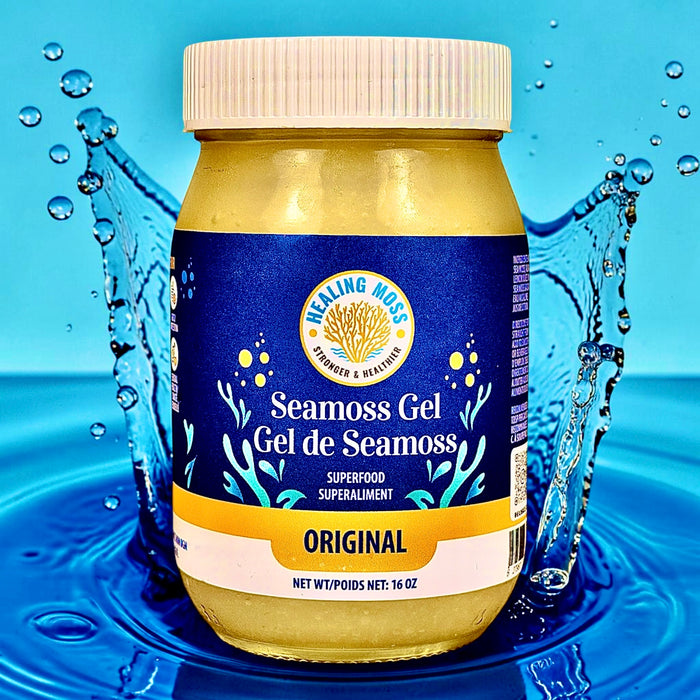
Whole marine plants offer a gentler alternative. A 4-tablespoon (20-gram) serving of raw Irish sea moss provides 10 calories, 0.5 grams of protein, 3 grams of total carbohydrates, and 0.5 grams of dietary fiber (Healthline, 2024). At Healing Moss, we craft wildcrafted sea moss gel in small batches to preserve these active hydrocolloids, giving your digestive tract the unrefined botanical support it needs.
Key takeaways
- Complex prebiotic polysaccharides feed beneficial gut bacteria to promote microbial balance.
- Water-soluble mucilage forms a protective barrier that coats and soothes sensitive digestive tissues.
- Sea moss functions as a gentle, whole-food alternative to harsh synthetic laxatives.
- Starting with a conservative dose of one teaspoon daily prevents common adjustment symptoms like gas.
- Individuals with thyroid conditions or those taking specific medications must speak with a physician before use.
Choosing the Right Sea Moss Format for Digestion
Different forms of sea moss deliver varying levels of convenience, texture, and mineral concentrations for your daily routine. Understanding these differences helps you select the right option for your digestive goals.
| Sea Moss Type | Primary Digestive Benefit | Preparation Needed | Best For | Daily Serving |
|---|---|---|---|---|
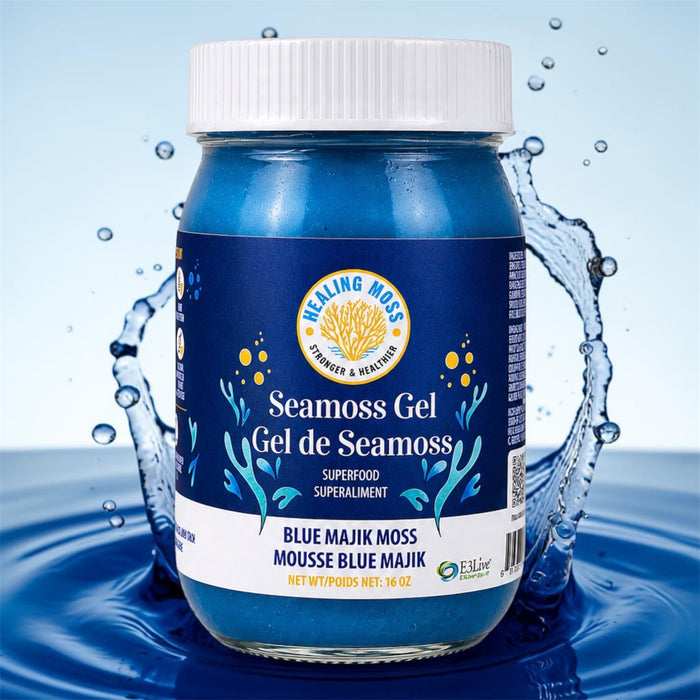
| Healing Moss Original Sea Moss Gel | High mucilage content coats stomach lining instantly | Ready to eat straight from the jar | Daily smoothies, oats, or spoonfuls | 1 to 2 tablespoons |
| Raw Sea Moss | Complete, unrefined whole plant with natural sea minerals | Requires soaking, rinsing, and blending | Custom batch preparation at home | 1 to 2 tablespoons (as gel) |
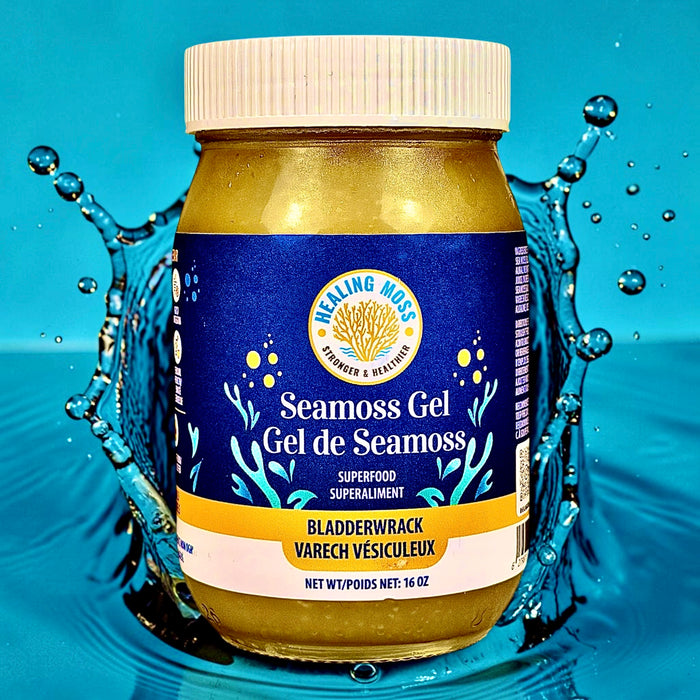
| Bladderwrack and Sea Moss Gel | Added fucoidan and alginates for bowel motility | Ready to use | Sluggish digestion and mineral density | 1 to 2 tablespoons |
Raw sea moss requires thorough washing to remove ocean salt and debris before soaking for twelve to twenty-four hours. For most people, a pre-made gel provides the simplest way to maintain consistency without the labour of home blending. Bladderwrack blends introduce complementary brown seaweed compounds that increase total fibre variety.
Why Sea Moss for Gut Health Relies on Prebiotic Fibre
Your digestive system cannot break down every carbohydrate you eat. Prebiotics are specialized plant fibres that travel through the stomach and small intestine undigested. Once they reach the colon, resident micro-organisms ferment them into beneficial compounds.
Sea moss contains complex carrageenan polysaccharides that resist human digestive enzymes. Rather than absorbing these compounds into your bloodstream, your body delivers them directly to friendly bacteria such as Bifidobacteria. As these microbes consume the prebiotic material, they produce short-chain fatty acids (SCFAs), notably acetate, propionate, and butyrate. Butyrate serves as the primary fuel source for the epithelial cells lining your colon wall, helping maintain a strong gut barrier.
Microbial diversity thrives on complex dietary inputs. Researchers at Purdue University tested a mixture of 16 dietary fibers on human fecal samples to demonstrate synergistic prebiotic effects in promoting beneficial gut microbes and producing anti-inflammatory short-chain fatty acids (Purdue Agriculture, 2025). Adding marine algae to standard land-based plant foods introduces unique polysaccharide structures your gut microbes rarely encounter in conventional modern diets.
This botanical works as nature's multi-vitamin while expanding your microbiome profile. When beneficial species multiply, they crowd out opportunistic pathogens, creating an environment that supports natural digestive resilience.
Soothing the Digestive Mucosa with Natural Hydrocolloids
Beyond feeding micro-organisms, sea moss offers physical protection through its gel structure. The carrageenans in red seaweed are hydrocolloids, substances that form a thick, gelatinous solution when combined with water. In herbal medicine, plants with this property are known as demulcents.
When you consume sea moss gel, this slippery mucilage coats the mucosal membrane running from your oesophagus to your lower intestines. If you experience mild acidity or stomach discomfort after meals, this coating creates a temporary physical cushion against irritating digestive acids. It protects inflamed tissues while giving the underlying mucosa an opportunity to settle.
Key Insight: Sea moss gel acts as a physical cushion for the gut lining. Its viscous texture glides along digestive walls, calming minor irritation while retaining moisture to keep stools soft and easy to pass.
This moisture-retention capacity also aids transit time. In the lower bowel, hydrocolloids hold water inside the digestive tract, adding bulk to waste without creating dry, hard blockages. The result is smoother, more predictable bowel movements without the painful cramping associated with chemical laxatives.
Keep expectations realistic. Sea moss is a functional food, not a medical cure for irritable bowel syndrome (IBS), Crohn's disease, or ulcerative colitis. It calms minor dietary friction, but chronic intestinal pain requires diagnostic care from a licensed healthcare professional.
A Step-by-Step Starter Plan for Digestive Ease
Introducing concentrated prebiotic fibre too quickly can overwhelm unaccustomed gut flora, leading to temporary bloating or gas. Our dosage guide outlines a steady, gradual introduction that allows your internal ecosystem to adapt smoothly.
Days 1 to 3: The Assessment Phase
Take one single teaspoon of Healing Moss Original Sea Moss Gel once per day. Stir it into a morning herbal tea or swallow it directly from the spoon. Drink plenty of water throughout the day, as soluble fibres require hydration to move effectively through the digestive tract.
Days 4 to 7: The Intermediate Step
Increase your serving to one level tablespoon each day. Observe your digestive patterns. You should notice regular bowel movements and reduced feelings of heavy fullness after meals. If you feel excess gas, drop back to one teaspoon for an additional three days before attempting the increase again.
Week 2 and Beyond: The Maintenance Routine
Settle into a sustainable maintenance dose of one to two tablespoons daily. At this level, you supply consistent prebiotics to your microbiome while providing daily demulcent protection for your stomach lining.
Starter Timeline: Days 1-3: 1 tsp/day -> Days 4-7: 1 tbsp/day -> Week 2+: 1-2 tbsp/day
Safety and Medication Timing
Because the mucilage in sea moss coats the intestinal wall, it can slow the absorption of prescription medications. Take pharmaceutical drugs at least two hours before or two hours after consuming sea moss gel.
Sea moss also absorbs significant amounts of dietary iodine from ocean water. Individuals managing thyroid disorders, such as Hashimoto's thyroiditis or hyperthyroidism, must consult their physician before starting daily use. Pregnant or nursing mothers should also seek professional medical guidance to verify their overall trace mineral intake.
Simple Ways to Incorporate Sea Moss Gel into Meals
Taking sea moss does not require complicated recipes. Because clean sea moss gel has a mild, neutral taste, it blends effortlessly into standard everyday meals without altering their flavour profile.
Blended into Morning Smoothies
Add one tablespoon of gel directly into a blender alongside frozen berries, spinach, and coconut water. The sea moss acts as an emulsifier, creating a velvety texture while delivering trace minerals and gut-supporting fibre.
Whisked into Warm Herbal Tea
Stir a tablespoon of gel into warm peppermint, chamomile, or ginger tea. Avoid boiling water, as extreme heat can degrade some of the delicate nutritional components. The gel dissolves completely, turning your evening tea into an easily digestible digestive tonic.
Folded into Breakfast Oatmeal
Stir your daily serving into warm oatmeal or chia seed pudding just before serving. Combining sea moss with oats creates a diverse blend of beta-glucans and marine polysaccharides that keeps you full and energized throughout the morning.
Frequently asked questions
Can sea moss cure acid reflux or chronic IBS?
No, sea moss cannot cure acid reflux, IBS, or inflammatory bowel diseases. Its natural mucilage can temporarily soothe mild oesophageal or stomach irritation by coating tissues, but it does not address the underlying causes of chronic gastrointestinal disorders. Consult a healthcare provider for any persistent symptoms.
Does taking sea moss cause gas or bloating?
Sea moss can cause mild, temporary bloating if you consume large amounts before your gut microbiome adapts. Its prebiotic fibres ferment rapidly when introduced to beneficial bacteria. Starting with one teaspoon daily and drinking sufficient water prevents this digestive friction.
How long does it take to notice digestive benefits?
Many people notice improved stool consistency and regularity within three to five days of regular use. Deeper changes in microbial balance and intestinal comfort develop across two to four weeks of sustained daily intake.
Can I take sea moss if I have a thyroid condition?
You should consult your endocrinologist or family physician before taking sea moss if you have a thyroid condition. Red seaweed contains concentrated natural iodine, which directly influences thyroid hormone synthesis and may interfere with medications like levothyroxine.
When is the best time of day to take sea moss for gut support?
Morning intake on an empty stomach works best for coating the digestive lining before daily meals. However, taking it in an afternoon smoothie or evening tea provides the same prebiotic benefits to your microbiome over a twenty-four-hour period.
The Next Step for Your Digestive Health
Improving your digestion requires consistent, nourishing inputs that support your body's natural processes. You can begin integrating small amounts of sea moss into your morning routine, tracking your body's response over the next two weeks as your intestinal flora adapts.
If you choose to do nothing, your gut remains dependent on whatever standard dietary fibres you currently consume, without the soothing hydrocolloids and marine polysaccharides that help build a resilient microbiome. Give your digestive system the consistent care it needs to maintain balance day after day.

